









Hey there 👋 We're so excited you’re here! Send us a message and let us know how we can help you today.


We delve into the heart of the Scripture, with inspiring stories which will motivate you to develop your skills as an independent reader of the Hebrew Bible.
Listen to inspiring student testimonials revealing the life-changing insights and profound growth gained through their biblical studies journey.
"Nothing is perfect in life, but many things are excellent. eTeacher offers much, including growth and understanding not only about the subject material, but different teaching styles ... and different…
"The quality teaching given by Francois has been as asset to learning and comprehension. The clarity of my understanding has been enriched and I am the richer. Having opened up…
"The Biblical Hebrew course is in a league if it's own. My teacher is amazing and very encouraging. It is a delight to return to class week after week and…
"Up to now I have had excellent teachers. My classmates have been very supportive and the atmosphere has been very good. Not always easy but with the right commitment everybody…
"This is an excellent way to extend one's knowledge of the Bible and it puts biblical stories in context helping us not only to imagine where these took place but…
We transform your Bible knowledge with a wealth of academic content expertly developed by renowned scholars.
Learn the Hebrew Alphabet and uncover the meanings and nuances hidden within every letter and word.
Develop translation and reading skills that allow you to understand the Bible beyond surface-level translations.
Deepen your connection with Scripture through guided readings and reflections that enrich your faith and understanding.
Enjoy structured lessons, downloadable resources, and interactive tools designed for in-depth, lifelong learning.
Receive answers and mentorship from expert scholars who bring clarity to your questions to your learning.
Apply your new knowledge to inspire others—whether in ministry, teaching, or personal study—through authentic Biblical insight.
Deepen your relationship with God, experience Scripture’s hidden power, and discover Biblical truths through our program.
Understand meanings often lost in translation.
Develop a closer, more personal connection to God’s Word.
Gain historical and cultural insights that shape the text.
Reading Scripture in Hebrew transforms your Bible study as ancient words reveal God's deeper message, strengthening your connection to faith's foundational roots.
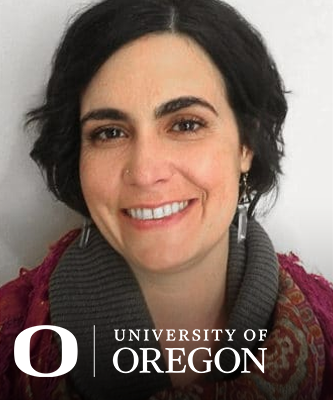
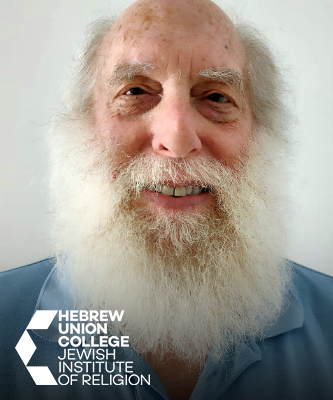
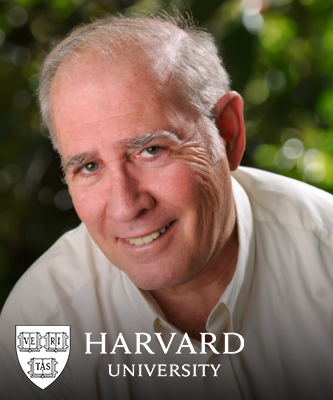
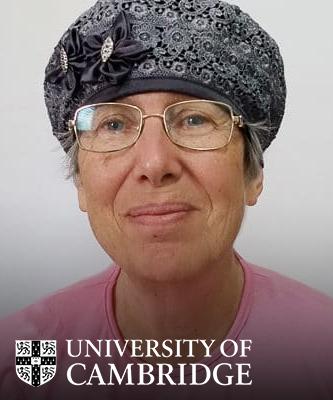
Get to know our experienced faculty members, specializing in Biblical studies with degrees from prestigious universities worldwide. They will support your learning journey every step of the way.
Chat with our academic advisors to help find the path that best aligns with your goals.
In this course, you will learn about the Bible’s great spiritual leaders including Abraham, Moses and David. We’ll follow their cultural, historical and geographical background, and eventually come to recognize their unique rhetorical tone, through a close reading in Hebrew. We will learn about verbs, forms of speech and acquire new vocabulary that will allow you to read and understand full paragraphs from the Bible, without translation.
Welcome to Course B! In this lesson, we’ll read selections from the first chapter of Jonah and use these verses to help us review some of the important material from Course A. In addition to grammatical topics like construct chains, the definite article, verbs, etc., we’ll also discuss the geographical, cultural and historical background of this story.
In this lesson we’ll continue reading and discussing the book of Jonah. In addition to reviewing important grammatical topics such as pronominal suffixes, Hebrew word structure, etc., we’ll
In this lesson, we’ll continue our reading in the book of Jonah and see how the people of Nineveh respond to God’s warning. We’ll also discuss how (and why!) the writer of Jonah connects this story to various other biblical texts. During our reading, we’ll review some important Hebrew vocabulary related to things like kingdoms, body parts, animal groups, etc.
In this lesson, we’ll finish reading the book of Jonah and see how and why the author’s language here echoes other verses from this book. We’ll also spend some time reviewing important concepts about Hebrew nouns and adjectives, using examples from Jonah 4. In addition to our discussion of the grammar, we’ll learn about some Hebrew concepts of the natural world.
In this lesson, we’ll learn about the form of the Hebrew participle. We’ll also read some biblical texts to see how the participle can be used either as a noun, an adjective, or a verb. We will focus the second half of our discussion on how the participle functions within the relative verbal system of Hebrew.
In this lesson, we’ll learn about the form of the Hebrew imperative. We’ll also examine some biblical texts to see how the imperative can express the will of the speaker in different ways: direct command, request, permission, etc.
In this lesson, we’ll read selections from the story of Moses’ birth and discuss some of the cultural and historical background of this text. We’ll also use these verses to review various grammatical topics, especially the participle and the imperative.
In this lesson, we’ll learn about a nominal verb form called the “infinitive construct.” We’ll explore different ways in which this form can be combined with prepositions and suffixes. Throughout the lesson, we’ll also read texts about Abraham, Jehoshaphat, and other biblical characters to see how the infinitive construct is used in biblical Hebrew.
In this lesson, we’ll discuss the “absolute” form of the Hebrew infinitive. We’ll learn what this form looks like and how it is different from the infinitive construct. We’ll also explore some of the most common uses of the infinitive absolute in Hebrew, examining texts from all three major groups of biblical literature: the Torah, the Writings, and the Prophets.
In this lesson, we’ll begin reading the story of Joseph’s reunion with his brothers in Egypt. We’ll discuss Judah’s rhetorical skills and how he uses all the tools of “polite Hebrew” to make Joseph listen favorably to his speech. We’ll also learn how Hebrew gives an immediate prohibition (“don’t do!”) and how it expresses the concept “to have.”
In this lesson, we’ll review the pronominal suffixes we talked about in Course A and learn what these suffixes look like when they are attached to plural nouns. While we read biblical texts to see examples of these suffixes in action, we’ll discover that they can also appear on prepositions.
In this lesson, we’ll learn that if a pronoun is the direct object of a verb, it can be attached to that verb as a suffix. We’ll learn what these object suffixes look like and see examples of how they are used in the biblical text. We’ll also look at how they compare to other types of suffixes we have learned in previous lessons.
In this lesson, we will continue our discussion of Joseph’s reunion with his brothers in Egypt. We’ll encounter a special form of the Qatal verb in our reading and see how various prepositions take different forms of the pronominal suffixes. We’ll also discuss some new Hebrew idioms and see how the author’s cultural perspective affects his view of geography.
In this lesson, we’ll give a general orientation to how the Hebrew verbal system is structured. We’ll learn that just like with nouns, each Hebrew verb is made up of both a root and a pattern that help us to understand its meaning. We’ll discuss the relationship between the different Hebrew verb patterns (the binyanim) that we will meet in our upcoming lessons.
In this lesson, we will focus on the Piel binyan, the active member of the doubled stem. We will learn what the Piel verb looks like in the different conjugations (Qatal, imperative, etc.) we have already learned in the Qal binyan. During our discussion, we will read several verses from the book of Genesis so that we can see the Piel verb in action.
In this lesson, we will focus on the Pual binyan, the passive member of the doubled stem. We will learn what the Pual verb looks like in its different conjugations (Qatal, Yiqtol, etc.). By taking a look at the stories of Job and Samson, we will also be able to compare the forms of the Pual verb with the forms of the Qal and Piel binyanim.
In this lesson, we will begin reading the story of Judah and Tamar in Genesis 38. We will discuss the cultural context of this narrative and explore its connections with the story of Ruth. As we read, we will review previous material like the object suffixes and the Piel and Pual binyanim. We will also learn how guttural letters can affect the form of Piel and Pual verbs.
In this lesson, we will focus on the Nifal binyan, the stem that is characterized by a prefixed letter נ. We will learn what the Nifal verb looks like in each of its different conjugations (Qatal, imperative, etc.). In our class exercises and in the biblical verses that we will read, we will see how the Nifal can express a passive, reciprocal, or reflexive voice.
In this lesson, we will learn about the Hitpael binyan, which is the third member of the doubled verb group. We will discuss its two primary voices, reflexive and reciprocal, and look at how this verb appears in its various conjugations. We will also examine several examples of this verb in the stories of Abraham, Jacob, and Isaiah.
In this lesson, we will continue reading the story of Judah and Tamar in Genesis 38, and we will discuss how the writer purposefully chooses his words in this narrative. We will find examples of each of the binyanim we have learned up to this point, and we will discover that we can recognize these binyanim even when unusual letters like gutturals change their form slightly.
In this lesson, we return to our discussion of the Hebrew verbal system and learn about the Hifil verb, the activ causative binyan. While we learn about the unique morphology of this verb, we will also compare this form to the previous binyanim we have learned. Finally, we will read some examples of Hifil verbs in the biblical text and see how much we are now able to translate!
In this lesson, we will finish our discussion of the Hebrew binyanim by learning about the morphology and voices of the Hufal binyan, the passive member of the causative verb group. As we read biblical texts to find examples of the Hufal verb form, we will also be able to contrast this verb with its active counterpart, Hifil, and with the other binyanim we have learned.
In this lesson we will continue the story of Judah and Tamar. We will find examples in the text of the different verbs we have learned, and we will review the characteristics of all seven Hebrew binyanim. We will also discuss some peculiarities of the Hebrew language: Is the same root always used with the same meaning? Can the Hifil binyan have a passive that is not Hufal?
While we finish reading the story of Judah and Tamar in this lesson, we will encounter the participle in several unfamiliar forms. We will discover what the participle looks like in each one of the new binyanim we have learned. Returning to the final verses of Genesis 38, we will also examine how the characters and motifs here fit into the broader story from Abraham to David.
What do Hebrew adverbs look like? In this lesson, we will learn about some different ways in which adverbs are formed in the Hebrew language. We will find examples in the biblical text of each type of adverb. Our examples will include some verses that we read in Course A, but now have the Hebrew understanding to translate more completely!
In this lesson we will read and discuss the story of David, Nabal and Abigail in 1 Samuel 25. Wordplay, characterization and skillful rhetoric are a few of the literary techniques we see the writer use here. During our discussion, we’ll review some of the verb forms we have studied up to this point. We’ll also learn how Hebrew turns the Qal participle into a passive verb.
In this lesson we will learn how to understand “relative clauses,” phrases that describe a noun just like an adjective does. We will compare the Hebrew syntax to English in order to see how best to translate these phrases. We will also find examples of the two Hebrew relative particles in different genres of the biblical text and examine how they are used in various contexts.
In this lesson, we will learn what Hebrew numbers look like in both the masculine and feminine genders. We will also discover that Hebrew has a special suffix to mark nouns that come in pairs, and we will explore some different situations in which this “dual form” appears. As usual, we will look into the biblical text for examples.
In this lesson, we’ll read and discuss the creation story in Genesis 1-2, specifically the verses about the creation of the woman. We’ll hear some of the Jewish midrashim on this text and see how they interact with the Hebrew here. As we read, we’ll encounter several different kinds of pronominal suffixes, and we’ll learn what these suffixes look like on feminine plural nouns.
See how far we have come! In this meeting, we’ll begin by reading a few verses (without translation) about the patriarch Isaac. We’ll focus in on some verb forms and other grammatical subjects we find here and remind ourselves what we’ve learned this semester. Then we’ll return to the verses and see how much we can translate with all the Hebrew knowledge we now have.
In addition to the course you will gain access to both our live and recorded webinars discussing fascinating Biblical topics. It’s time to deepen your connection to the bible through Biblical Hebrew.
We teach live classes online: a teacher and a small group of students meet once a week through their home computer. We use video conference technology that allows live student-teacher interaction. You can fully participate in the lesson by using the microphone or the chat box.
Don’t worry! All the live lessons are also recorded and available on-demand. You can review them at any time.
All our teachers have a teaching certificate and are approved by the Hebrew University of Jerusalem. They are all scholars from leading universities around the world, including the Hebrew University of Jerusalem, Harvard and Durham University.
To read our full cancellation policy, click here.
We teach Sunday to Friday according to your local time zone. You are welcome to check the schedule and assign yourself to a time that’s most suitable to you.
All you need is a working computer with an internet connection and you’re set! We work with Windows and Mac operating systems.
The total tuition for the course is $1399.
Yes, you can pay in 5 or 8 monthly installments, depending on the duration of your course.
Fill in your details and we will contact you shortly
