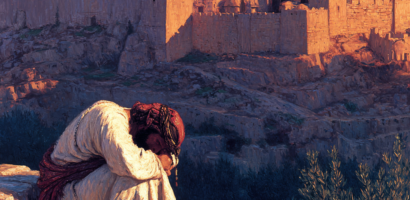


When we look at visual representations by many medieval artists we cannot help but notice that in their rendition Moses appears with horns! How did great Christian artists such as Michelangelo, among hundreds of others, conceive of the idea that Moses had horns? What gave them this idea? To put it simply – something got lost in translation.
We read in Ex.34:29:
וַיְהִ֗י בְּרֶ֤דֶת מֹשֶׁה֙ מֵהַ֣ר סִינַ֔י וּשְׁנֵ֨י לֻחֹ֤ת הָֽעֵדֻת֙ בְּיַד־מֹשֶׁ֔ה בְּרִדְתּוֹ֖ מִן־הָהָ֑ר וּמֹשֶׁ֣ה לֹֽא־יָדַ֗ע כִּ֥י קָרַ֛ן ע֥וֹר פָּנָ֖יו בְּדַבְּרֹ֥ו אִתּוֹֽ׃
And when Moses came down from the mount Sinai, he held the two tables of the testimony, and he knew not that his face was horned from the conversation of the Lord (English translation of Latin Vulgate).
What eventually became the Latin Vulgate Bible mistakenly translated the word קרן not with the idea of “shining/radiance”, but with an idea of “grown horns” (since in Hebrew without vowels it can be translated both ways).
My hope today is to make a compelling case as to why you should make every effort to begin learning Hebrew. Do not rely only on good translations. Learn to make translation decisions yourself and check the work done by others.