


Learning Biblical Hebrew can feel overwhelming at first. The unfamiliar alphabet, the right-to-left reading, and the vowel markings often make beginners feel like they are stepping into a completely different world. But Biblical Hebrew doesn’t have to feel intimidating.
When approached step-by-step, it becomes much more accessible and rewarding than many people expect. More importantly, learning Biblical Hebrew allows you to experience Scripture in a deeper and more personal way through the language in which much of it was originally written.
In this blog post, we’ll cover how to start learning Biblical Hebrew from scratch, the study habits that actually work, how to avoid burnout, useful online tools and courses, and a simple 30-day plan to help you build confidence gradually.
TLDR:
Start with the Hebrew alphabet and vowel sounds, then focus on recognizing patterns instead of trying to memorize everything at once. Learn common words that appear frequently throughout the Hebrew Bible, read passages aloud daily, and begin interacting with real biblical texts early in the process. Use one reliable resource instead of constantly switching between apps, videos, and textbooks.
Most importantly, remember that Biblical Hebrew isn’t meant to feel like a cold academic exercise. It’s a doorway into the world, culture, and spiritual richness of Scripture.
How To Start Learning Biblical Hebrew
Most beginners feel overwhelmed because they try to learn everything too quickly. A better approach is to focus on a few foundations and build gradually over time.
Start With The Hebrew Alphabet
The Hebrew alphabet contains 22 letters, and learning them is your first major step into the biblical world. At first, the letters may feel unfamiliar, but they quickly become recognizable through regular exposure and practice.
Start slowly by learning a few letters each day. For example:
- א = Alef
- ב = Bet
- מ = Mem
- ש = Shin
As you continue, you will begin recognizing entire words from Scripture. One of the first words many students learn is שָׁלוֹם (shalom), meaning peace, wholeness, and restoration.
You should also become familiar with the vowel markings known as niqqud. For example, the dot under the letter ב in בְּרֵאשִׁית (Bereshit, “In the beginning”) helps shape the vowel sound in the opening word of Genesis.
Another important step is recognizing the five Hebrew letters that change form at the end of a word:
- ך ם ן ף ץ
Choose One Main Resource
One of the biggest reasons beginners lose motivation is information overload. It’s tempting to jump between YouTube videos, apps, grammar guides, flashcards, and online articles all at once. Unfortunately, this often creates confusion instead of progress.
Choosing one trusted resource gives you structure and clarity. Some learners prefer beginner-friendly books like The First Hebrew Primer. Others benefit more from guided online courses with live instruction and personal feedback.
What matters most is finding a learning path that feels encouraging and sustainable. Biblical Hebrew should feel approachable, not exhausting.
Learn The Patterns Behind The Language
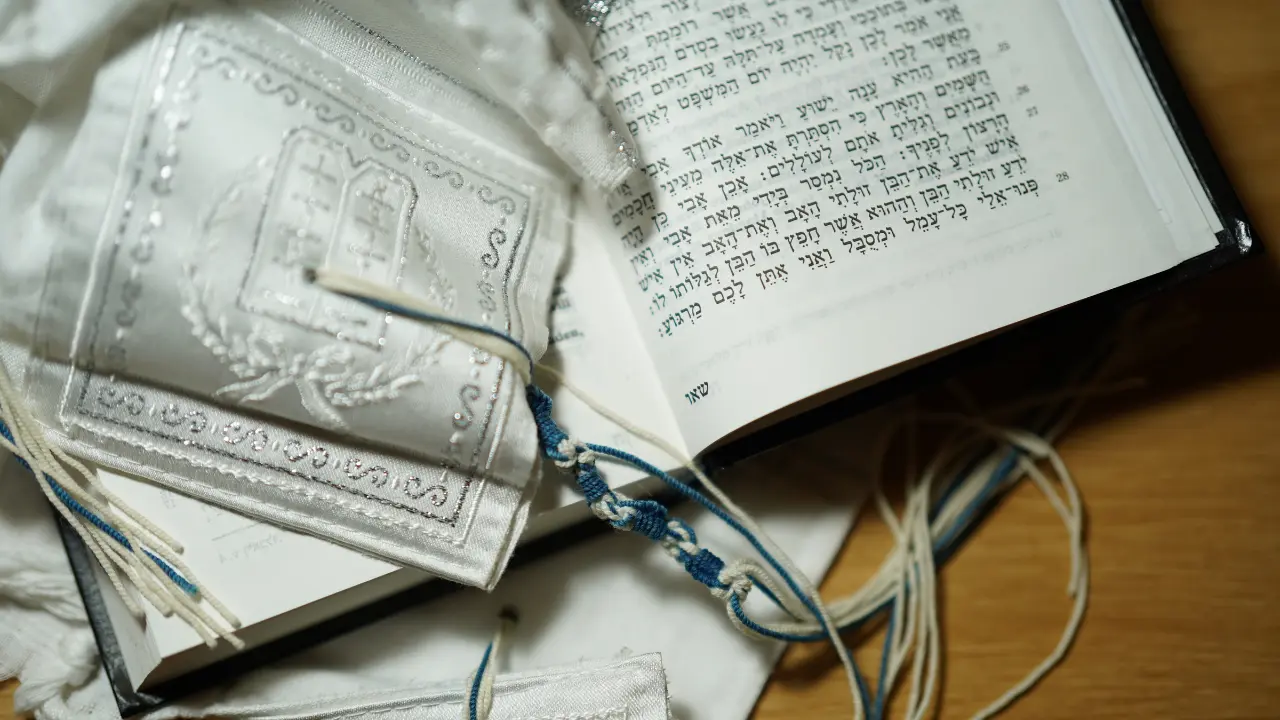
One of the beautiful things about Biblical Hebrew is that it’s built on patterns. Once you begin recognizing those patterns, vocabulary becomes much easier to understand.
Many Hebrew words come from a three-letter root called a shoresh. These roots carry a central idea that connects multiple related words together.
For example, the root כ-ת-ב is connected to writing:
- כָּתַב (katav) = “he wrote”
- מִכְתָּב (mikhtav) = “letter”
- כְּתוּבִים (Ketuvim) = “Writings,” one section of the Hebrew Bible
Once you recognize the root, the words stop feeling random. You begin seeing how ideas connect naturally across the language.
Another example is the root מ-ל-ך connected to kingship and ruling:
- מֶלֶךְ (melekh) = “king”
- מַמְלָכָה (mamlakha) = “kingdom”
- לִמְלוֹךְ (limlokh) = “to reign”
These patterns are part of what makes Biblical Hebrew feel so rich and interconnected. The language often reveals relationships between words that disappear in translation.
Study Methods That Prevent Burnout
Consistency matters far more than intensity when learning Biblical Hebrew. Many people assume they need hours of study every day, but short and steady practice is usually much more effective.
1) Study In Small Daily Sessions
A simple daily routine of fifteen to thirty minutes is enough for most beginners. Short sessions help your brain absorb the language naturally without feeling overwhelmed.
A healthy study rhythm might include reviewing vocabulary, practicing pronunciation, reading a short verse aloud, and revisiting familiar words from previous lessons.
Small daily progress builds confidence surprisingly quickly.
2) Read Hebrew Aloud Every Day
Biblical Hebrew was originally experienced as a spoken language. Reading aloud helps you internalize the rhythm and sound of the language while strengthening memory and pronunciation.
Many learners notice that the language begins to feel more natural once they stop only analyzing words silently and start hearing them aloud. Even reading a single verse each day can make a major difference over time.
For instance, when you speak the opening words of Genesis 1:1:
- בְּרֵאשִׁית בָּרָא אֱלֹהִים (Bereshit bara Elohim)
- “In the beginning God created…”
You immediately feel the rhythmic, alliterative bounce between the words. Hearing that cadence aloud transforms the text from a grammatical puzzle to be decoded into an intuitive language that your brain naturally retains.
3) Start Reading Real Biblical Texts Early
One common mistake is waiting too long before opening the Hebrew Bible itself. You don’t need to understand every word before you begin reading Scripture. In fact, early exposure often makes learning more exciting and meaningful.
Start with simple passages from Genesis, Psalms, or familiar prayers. Recognizing even a few Hebrew words inside a biblical passage can feel incredibly motivating.
For example, many beginners are surprised by how quickly they recognize, Genesis 1:3:
-
- וַיֹּאמֶר אֱלֹהִים יְהִי אוֹר וַיְהִי־אוֹר (Vayomer Elohim: yehee or, vayhee-or)
- “And God said, ‘Let there be light,’ and there was light.”
For many students, this becomes a turning point. Hebrew stops feeling like a school subject and starts feeling like a living connection to Scripture.
Learning Biblical Hebrew Online
Today, learning Biblical Hebrew online is more accessible than ever before. The best online programs combine flexibility with personal guidance, helping students stay encouraged and connected throughout the process.
At the Israel Institute of Biblical Studies, students are guided by caring Israeli teachers and scholars who help bring the language and culture of the Bible to life. Lessons are designed specifically for beginners and focus on helping students engage more deeply with Scripture instead of simply memorizing rules.
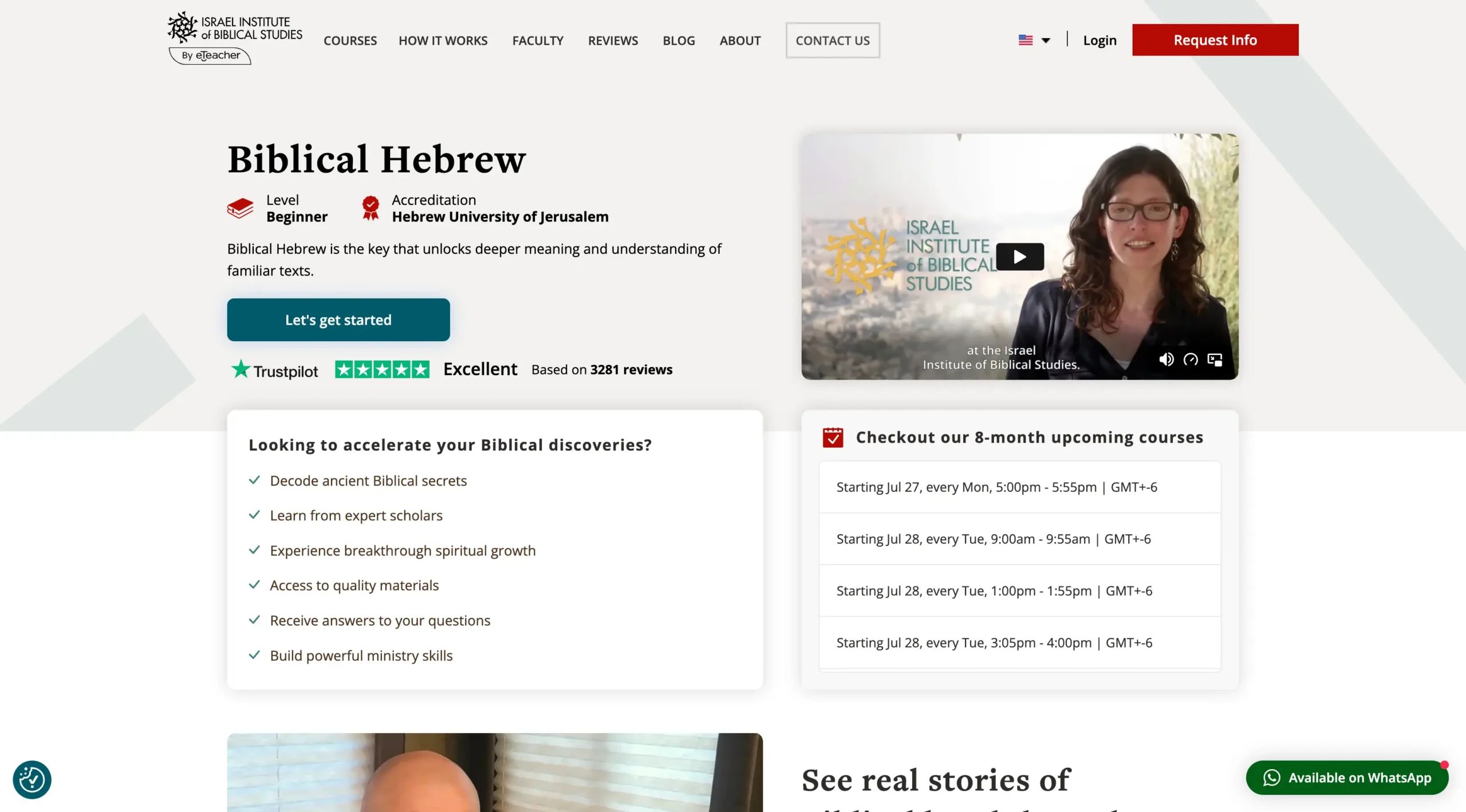
For instance, the Biblical Hebrew A course introduces the Hebrew alphabet, vowel markings, foundational vocabulary, and simple biblical passages in a gradual and approachable way. Students begin recognizing common Hebrew words and reading directly from the Bible while building confidence step-by-step through guided instruction.
Many students are surprised by how quickly they begin recognizing familiar words and phrases in the Bible. Those small moments of recognition often become deeply meaningful and spiritually enriching.
Helpful Digital Tools
Digital tools can support your learning when used intentionally and in moderation.
Flashcard apps like Anki are helpful for reviewing vocabulary consistently. Platforms such as BibleHub and Logos Bible Software allow students to compare Hebrew texts alongside translations and study notes.
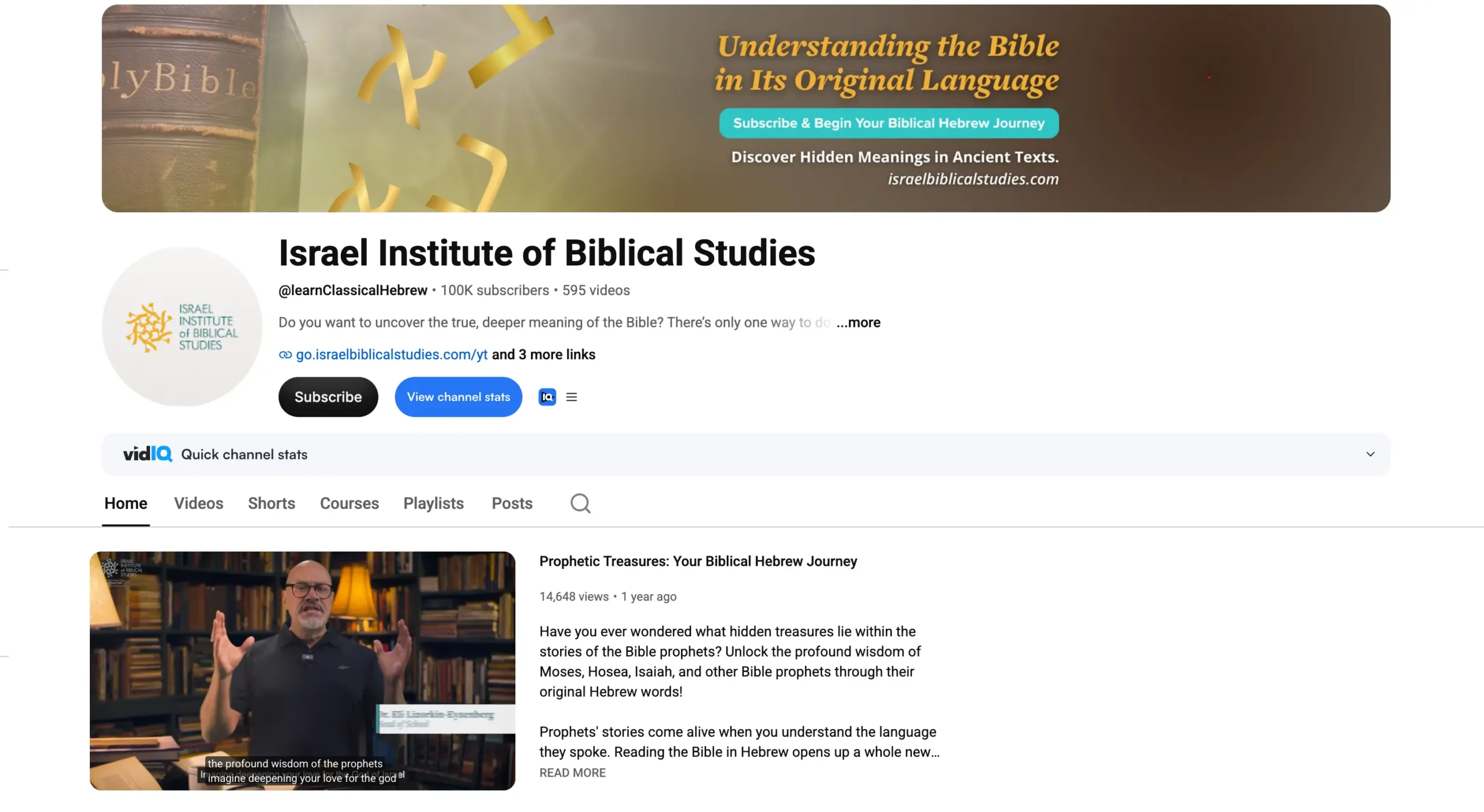
For visual learners, YouTube channels like the Israel Institute of Biblical Studies offer detailed lessons on word structure, nouns, adjectives, and nominal sentences alongside topical webinars. Meanwhile, channels like Aleph with Beth offer a different path, using an immersive method that teaches the alphabet and biblical stories through songs and constant visual cues.
Finally, apps such as Biblingo deliver short daily sessions that build reading and comprehension skills in a structured and interactive format.
The key is keeping things simple. You don’t need ten different tools to succeed. A few reliable resources used consistently will take you much further than constantly searching for the perfect method.
30-Day Biblical Hebrew Plan
You don’t need years of preparation before making meaningful progress. A simple and steady routine can build confidence surprisingly quickly.
| Week | Focus | Goal |
| Week 1 | Hebrew alphabet and vowel sounds | Learn a few letters daily and practice reading aloud |
| Week 2 | Common vocabulary and roots | Learn frequently used words and begin recognizing patterns |
| Week 3 | Verb patterns and simple phrases | Practice identifying recurring structures in short verses |
| Week 4 | Reading biblical passages | Read short sections from Genesis or Psalms aloud |
Begin Your Biblical Hebrew Journey With Guidance Today
Learning Biblical Hebrew becomes much more meaningful when you have experienced teachers guiding you step by step. Through supportive lessons and direct engagement with Scripture, students begin discovering the richness and depth of the Hebrew Bible in a more personal way.
Explore our online Biblical Hebrew classes and deepen your connection to the language of the Bible.
Conclusion
Learning Biblical Hebrew isn’t about becoming a language expert overnight. It’s about experiencing Scripture in a deeper and more personal way through the language of the Bible itself.
As you become familiar with Hebrew words, roots, and patterns, familiar passages begin revealing new layers of meaning and beauty that are often difficult to fully experience in translation.
Start small, stay consistent, and enjoy the process. Little by little, those ancient words begin speaking with new clarity and life.
FAQ:
How long does it take to learn Biblical Hebrew?
That depends on your goals and consistency. With daily study and regular reading practice, many beginners can begin recognizing and reading simple biblical passages within a few months.
Do I need to learn Modern Hebrew first?
No. You can begin directly with Biblical Hebrew. While Modern Hebrew and Biblical Hebrew share the same alphabet and many roots, Biblical Hebrew has its own style and vocabulary.
Is Biblical Hebrew difficult to learn?
Biblical Hebrew feels unfamiliar at first, especially because of the alphabet and reading direction. However, many students are surprised by how approachable it becomes once they begin recognizing recurring patterns and common vocabulary.
Can I learn Biblical Hebrew on my own?
Yes. Many learners begin through self-study using books, videos, and digital tools. However, guided courses often make the process easier and more encouraging by providing structure, support, and personal feedback.
What is a good beginner book for Biblical Hebrew?
The First Hebrew Primer is one of the most popular beginner resources because it introduces the language gradually in a clear and approachable way.
Why should I learn Biblical Hebrew instead of just reading a translation?
Translations are valuable, but certain layers of meaning are difficult to capture fully in English. Hebrew often connects ideas through shared roots and recurring word patterns. Learning Biblical Hebrew allows you to experience those connections directly and engage with Scripture in a richer and more personal way.