



Learn Biblical Greek As Well As Biblical Hebrew (video...
To sign up for the course or to simply get more information about it, please, click here. To sign up for the course or to simply get more information about it, please, click here.
To sign up for the course or to simply get more information about it, please, click here. To sign up for the course or to simply get more information about it, please, click here.
In verse 17 we read that Jesus defended himself by referring to a well-known concept in Jewish tradition – God rested on Sabbath day. After the initial creation described in Genesis, He has continued to do some work on each the Sabbath day ever since. Jesus therefore stated: “My Father is working until now, and I am working.” The logic was very simple. If children are born on the Sabbath day then it means that God works to give them life on the Sabbath day. Therefore, Jesus’ reasoning was already accepted by many Jews as a Jewish Torah-observant opinion and an honorable life-style for fellow practicing Jews.
This is indeed a powerful story. Sickness – the symbol of human chaos, was called into order by the power of Jesus’ word; just like pre-creation chaos was once called into the order of creation by Israel’s Heavenly King in exactly the same way. Now the Royal Son of Israel’s god has come to the pagan abode (Asclepius’ pool) and healed a Jewish man who had lost all hope.

The Story of Naaman is one of the most beloved and memorable stories in all of the Hebrew Bible. Believers easily identify with Naaman – commander of Syrian army who had a major problem in his life. He suffered from a terrible skin disease. The miracle of his healing after following the simple instructions of Elisha reminds New Testament believers of their new birth. After all, they have experienced it by simply trusting God and calling on Jesus for salvation. They are also able to identify with Naaman as a fellow sufferer. To be human is in some way to be a sufferer and no one is immune from problems, suffering and difficulties. Those who trust God and have known suffering and misery also know what it means for God to break through to their hearts and bless them with his covenantal blessing of healing that is always spiritual and sometimes physical. However, we would argue that such an interpretation of this chapter, while inspiring, completely misses its main point. What do we mean? Please, allow us to explain.
As interesting as this kind of study may be, it also will not be the approach that we’ll be taking during this course. For there’s yet another way to approach the New Testament. One that will as a side benefit elucidate both the modern debates over the meaning of this book, and the nature of its historical impact on western civilization. This other way of approaching it has its more direct concern with understanding the New Testament in it’s own historical context. This approach involves studying the New Testament then, from the perspective, not of the believer, not of the cultural historian, but of the ancient historian. This is the approach that we’ll be taking in this study. To approach the New Testament from the historical perspective means suspending our own belief or disbelief in it’s teachings and working to understand how the 27 books that now make up the New Testament canon came into being, to see who wrote them and why, and to determine what they might have meant to their original readers. These are the sorts of questions that will absorb me in my subsequent essays.

When it comes to determining the level of the gospel’s historical reliability, the story that will end in the healing of a paralyzed man is one of the most fascinating textual units in the Gospel of John. Until the discovery of the pool with five-roofed colonnades near the Sheep Gate, many did not consider the Gospel of John to be historically reliable.
Jesus continues his conversation with Nicodemus around the familiar theme of the Son of Man. This was a well-known concept at the time of Jesus. For example, the book of Enoch, a pre-Christian Jewish text, talks about a divine eschatological figure – the Son of Man. It describes him as eternal/pre-existent and calls him the Chosen One. The Son of Man was understood to be the light to the nations. He would one day come as a judge, accompanied by the clouds of heaven. (Enoch 48) Enoch was also God’s prophet against the fallen angels. Later tradition (2nd century BCE) emphasizes his ethical teaching and especially his apocalyptic revelations of the course of world history down to the last judgment. In the Similitudes (1 Enoch 37–71) he is identified with the Messianic Son of man (71:14–17), and some later Jewish traditions identified him with the nearly divine figure Metatron (2 Gn. 5:24; 3 Enoch).
The articles addresses the relationship between Samaritans and Jews, especially in how can based upon archeological evidence the difference can be made between the synagogues of Samaritans and those of the Jews.
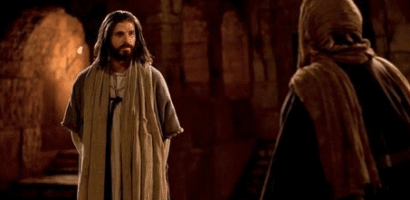
As a member of a less powerful (Pharisaic party vs. that of the Sadducees), Nicodemus was a minority within minority. It is interesting that every known case of persecution against Jesus and Jerusalem believers in Jesus, especially their leaders, “was taken when the reigning high priest was one of those who belonged to the powerful Sadducean family of Annas”. Caiaphas, Annas’ son-in-law condemned both Jesus and Stephen. James the Son of Zebedee was executed and Peter arrested by Agrippa I, while Matthias, son of Annas, was probably a priest. In Acts 12:3 we are told that the king was motivated to gain the favor with “the Jews”, that is to “placate the high priest Mathias and his family” since some time before Agrippa humiliated Annas family by deposing Theophilus, brother of Mathias. Another son of Annas, Ananus II, put James to death taking advantage of Roman Emperor’s before appointment of the next leader of the Empire. The above shows that we are justified to speak of a case of family vendetta against “the followers of a man whose movement Caiphas (as a member of Annas priestly family) had expected but failed to stamp out.”
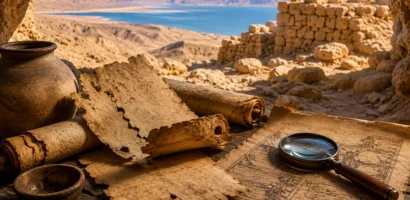
One realizes how important the Qumran text, fragmentary though it be, is not only for the background of New Testament references to the sacrifice of Isaac, but especially for the later targumic and rabbinic teaching about the Aqedah, as the Jewish expression of that sacrifice as an expiatory and redemptive act for all Israel.
Fill in your details and we will contact you shortly


